CELTIC DANCE
From lively Irish jigs to graceful Highland steps, CelticFest Warwick’s dance program is a feast of movement, music, and tradition. Whether you join in at the family ceilidh, watch the precision of highland dancing, or try your hand at Scottish country steps, there’s something to get every foot tapping.
FAMILY CEILIDH HOSTED BY DARLING DOWNS IRISH CLUB
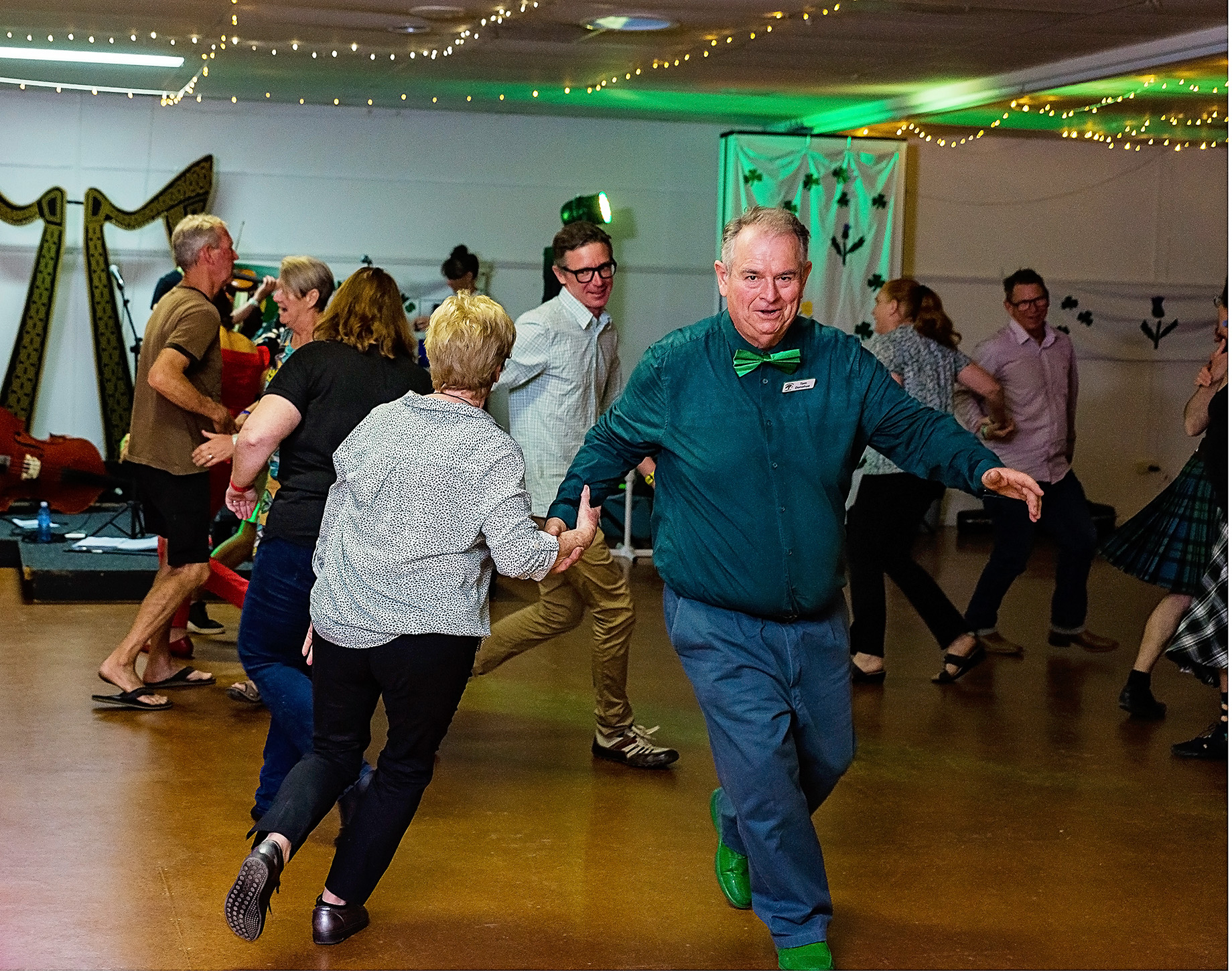
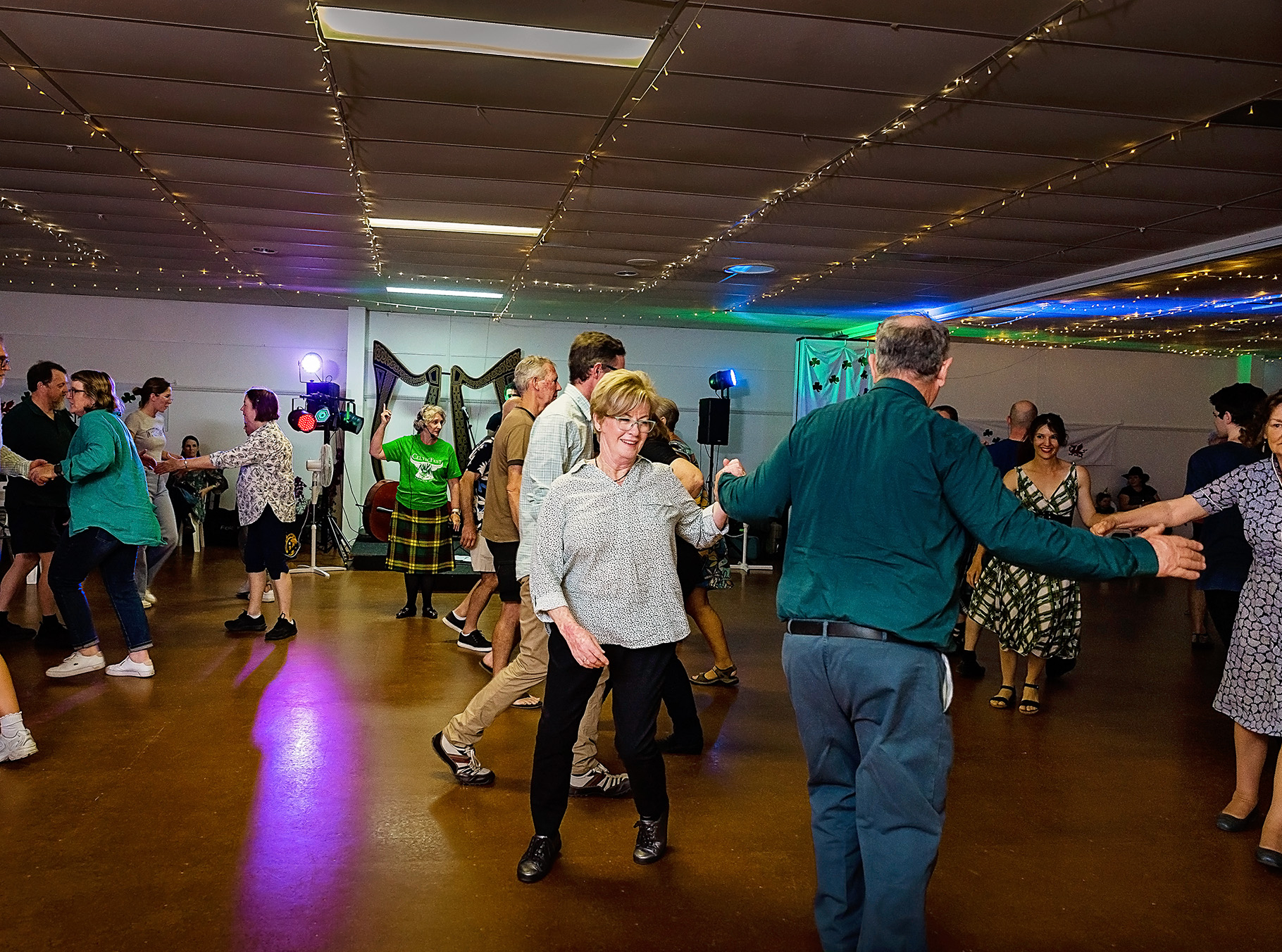
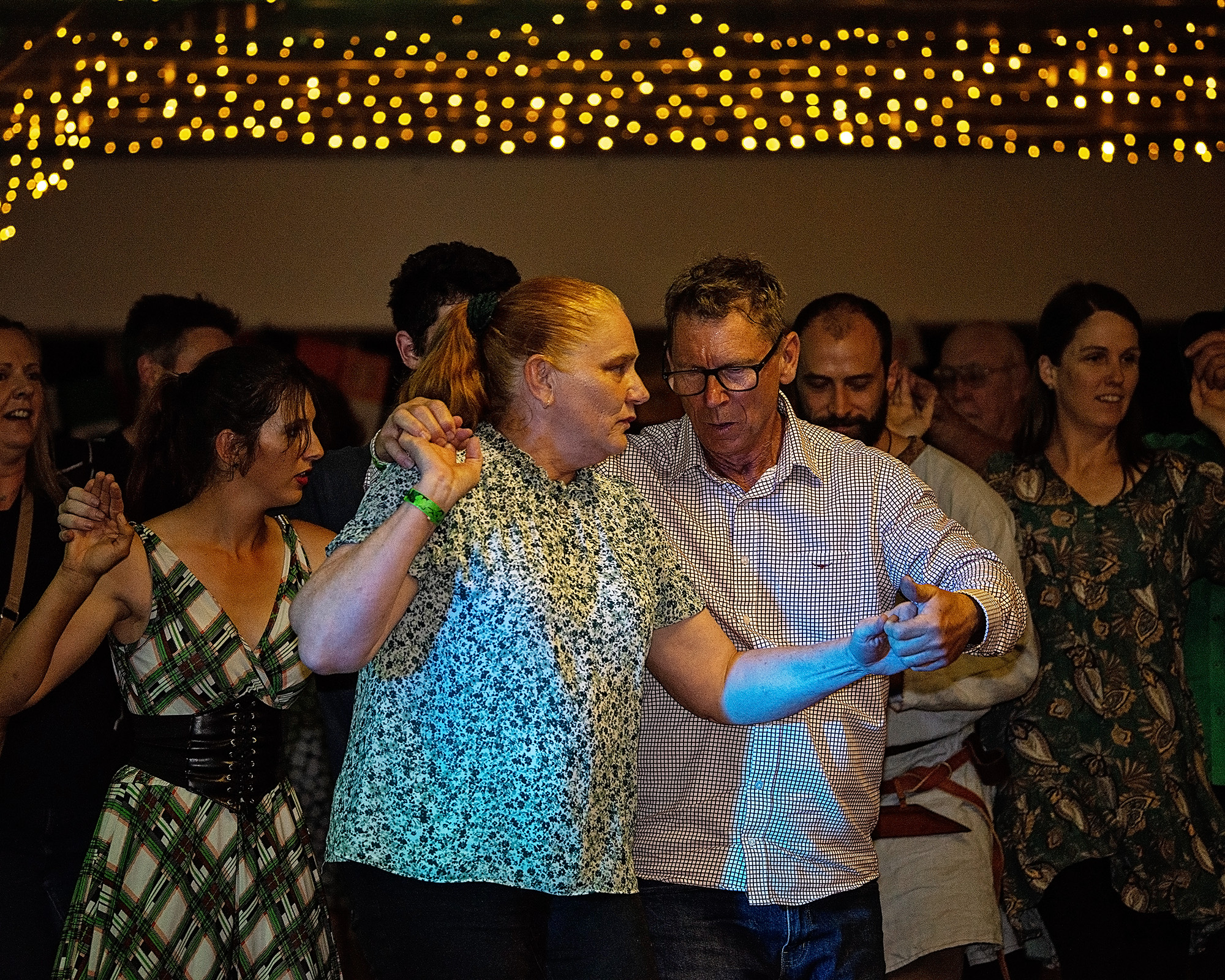
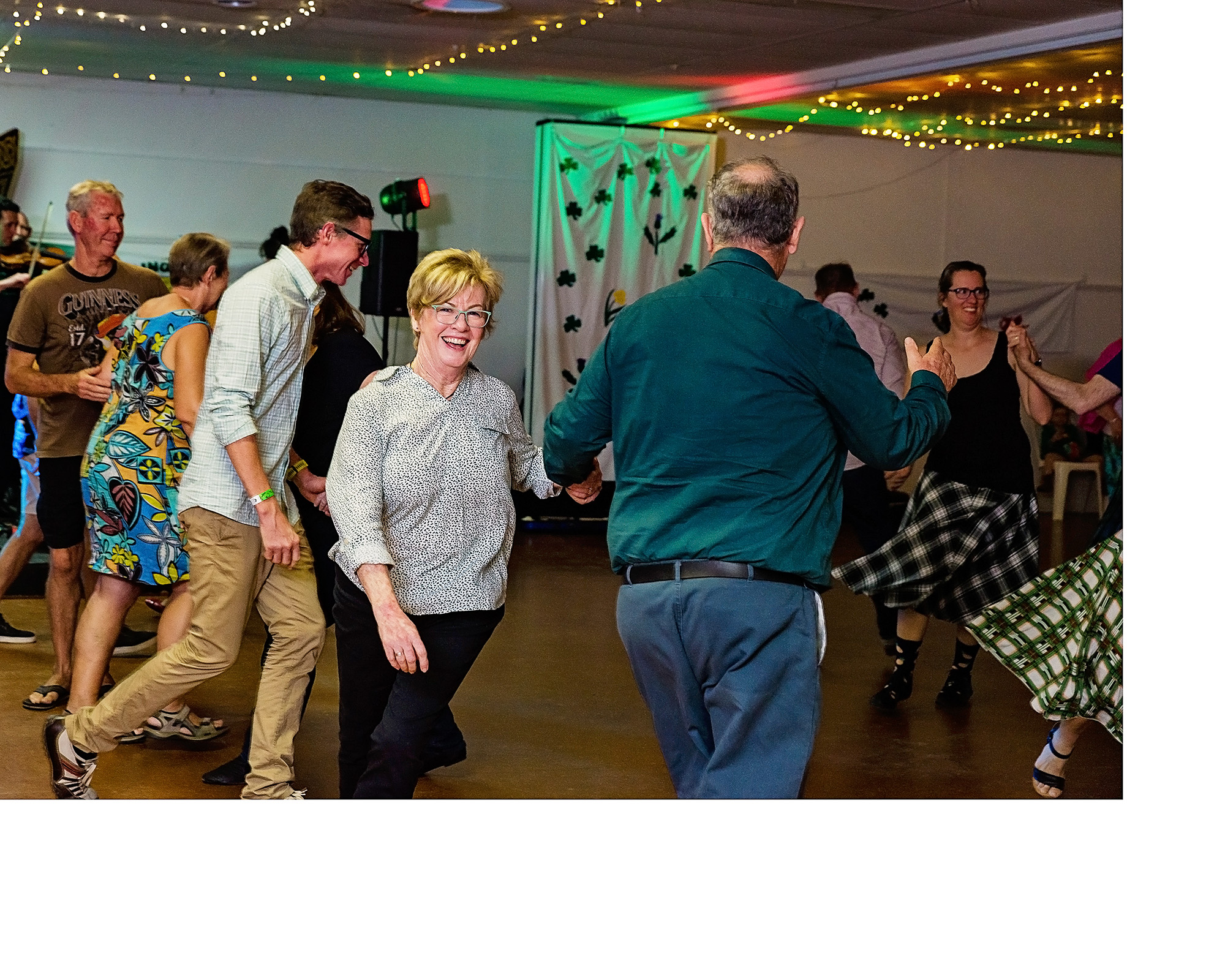
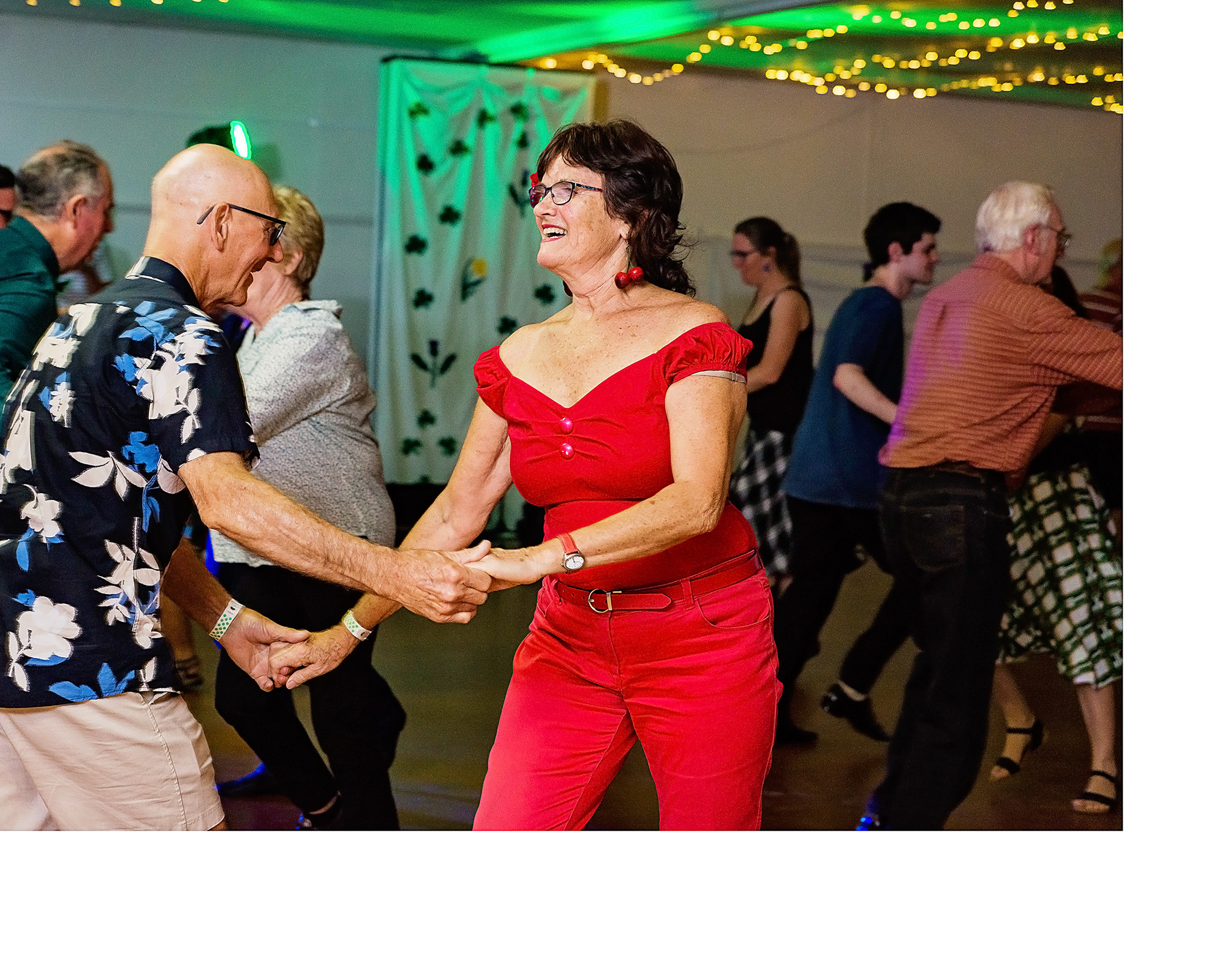
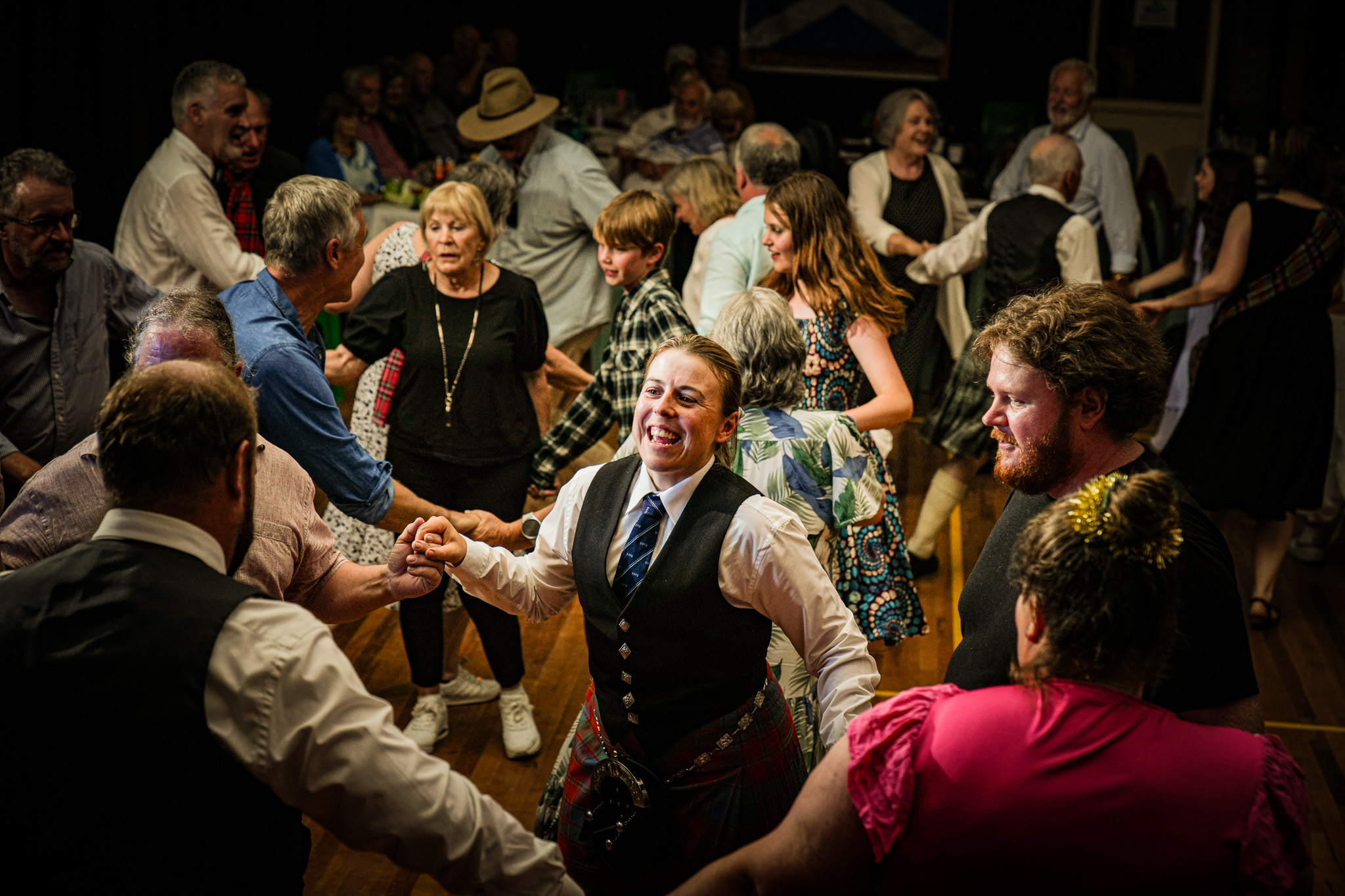
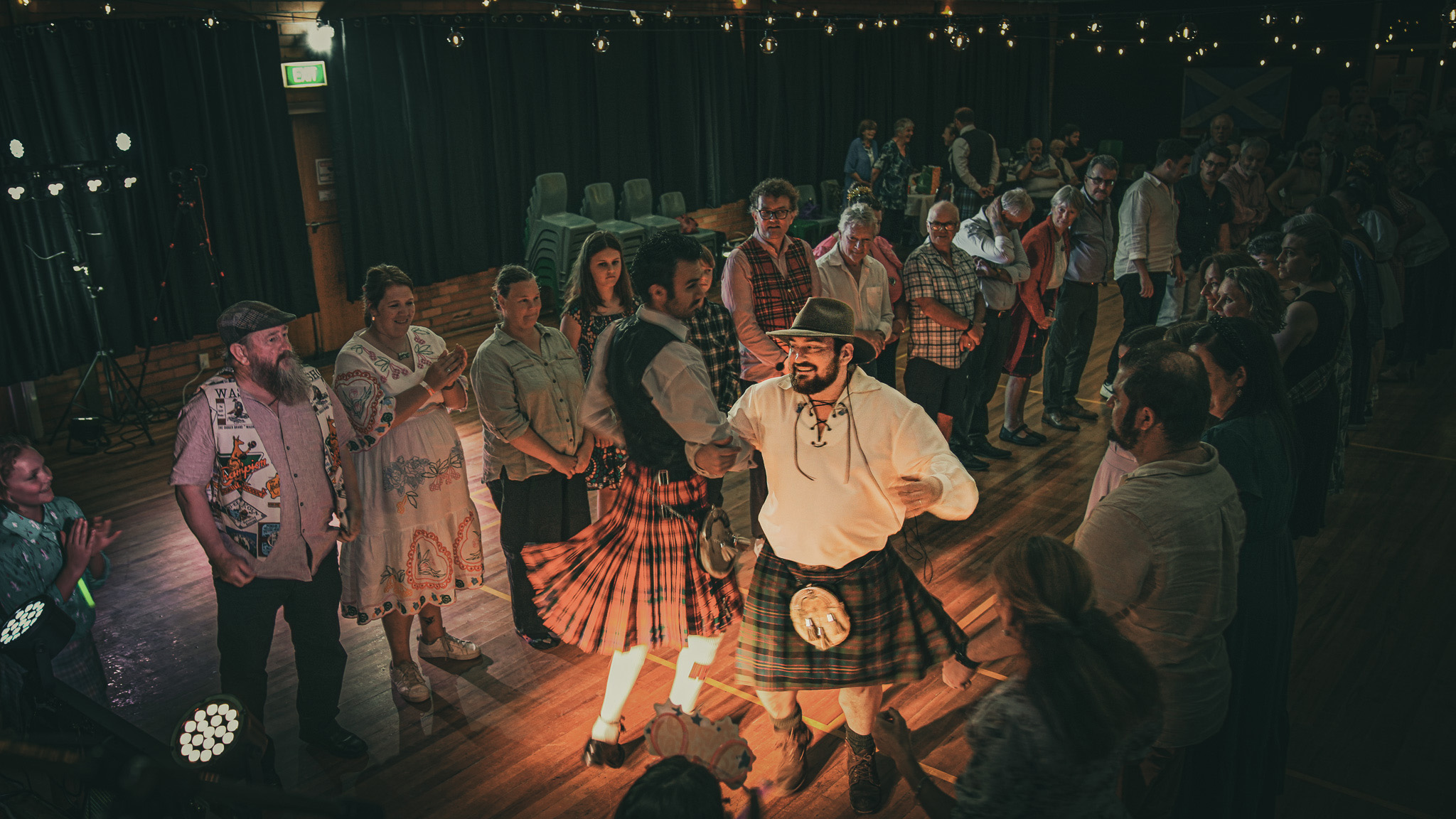
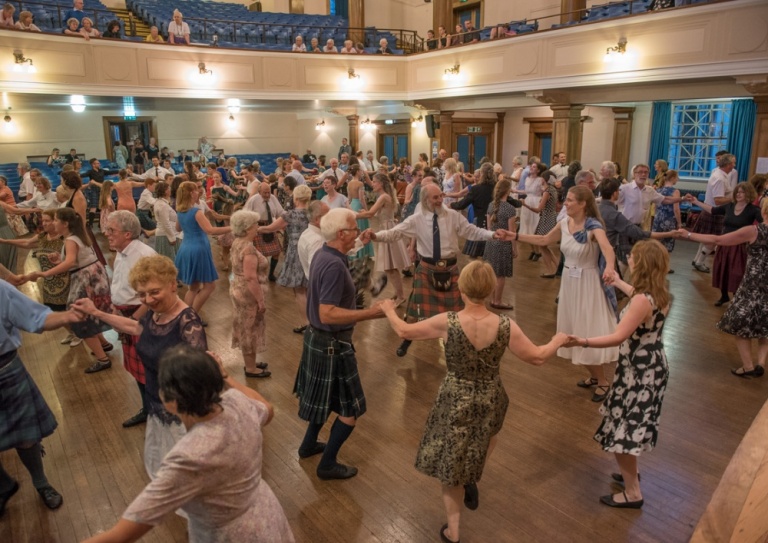
CelticFest entertainment partner the Darling Downs Irish Club again hosts a traditional Celtic ceilidh on Saturday night in The Pavilion at CelticFest at the Warwick Showgrounds (included in your weekend and Saturday tickets). No dancing experience is needed - just bring your dancing shoes and be prepared to have a ton of fun! Experienced ceilidh dance caller Graeme McColgan (aka The Scotsman) will guide you through the steps, with music provided by Kejafi, a three-piece Sydney-based ceilidh band. Whether or not you know your way around dances such as Strip the Willow, the Canadian Barn Dance, the Dashing White Sergeant or the Flying Scotsman, you’ll be guaranteed to have your toes tapping! There’ll be a bar with drinks and snacks to keep you on your feet, and the Darling Downs Irish Club will also be running a raffle and a few games. This event truly is fun for all of the family!
Date: Saturday 4 October
Venue: The Pavilion, Warwick Showgrounds
Time: 5pm-8pm
Tickets: Included in CelticFest weekend and Saturday tickets
IRISH DANCING - THE SHAMROCK DANCERS
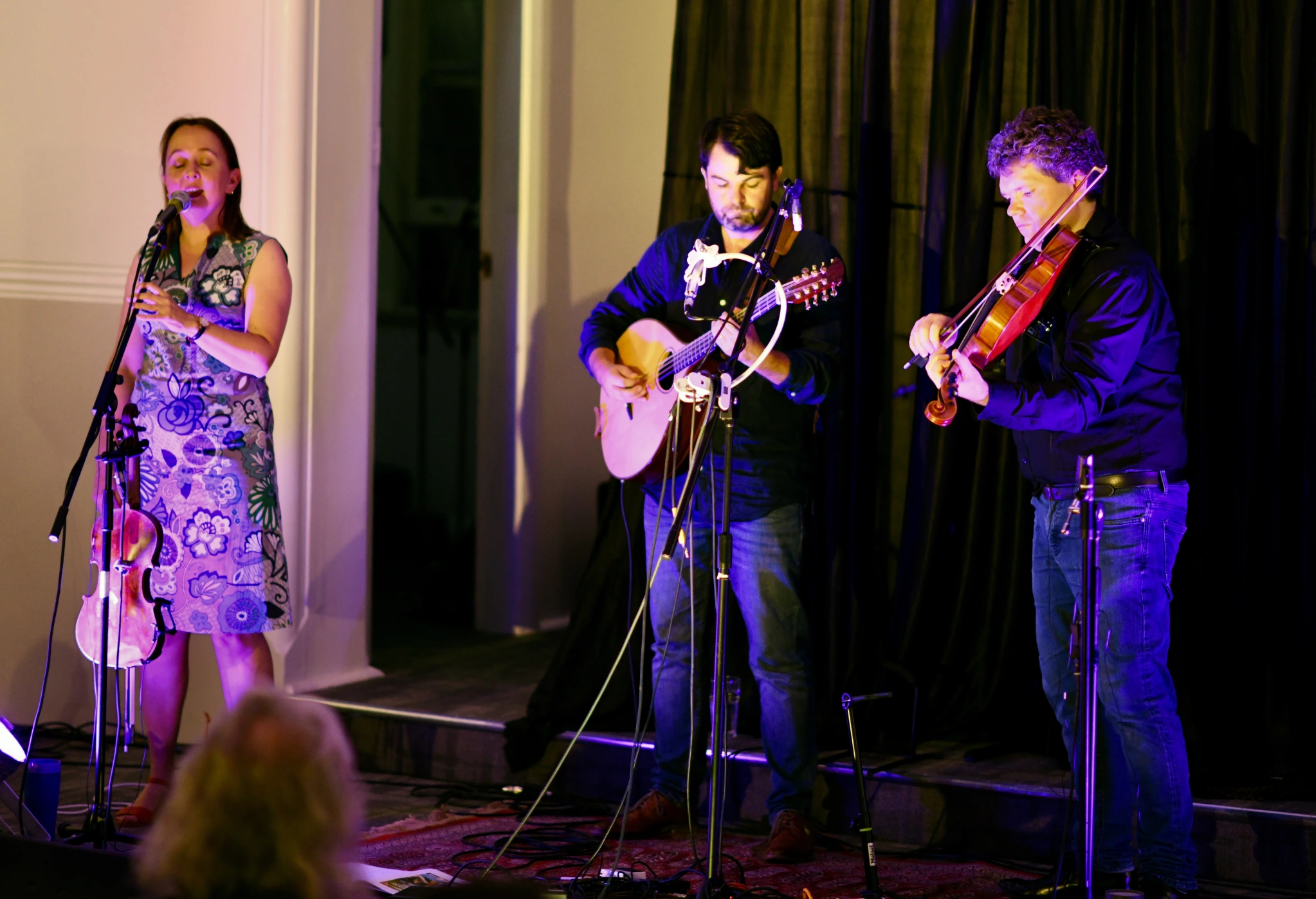
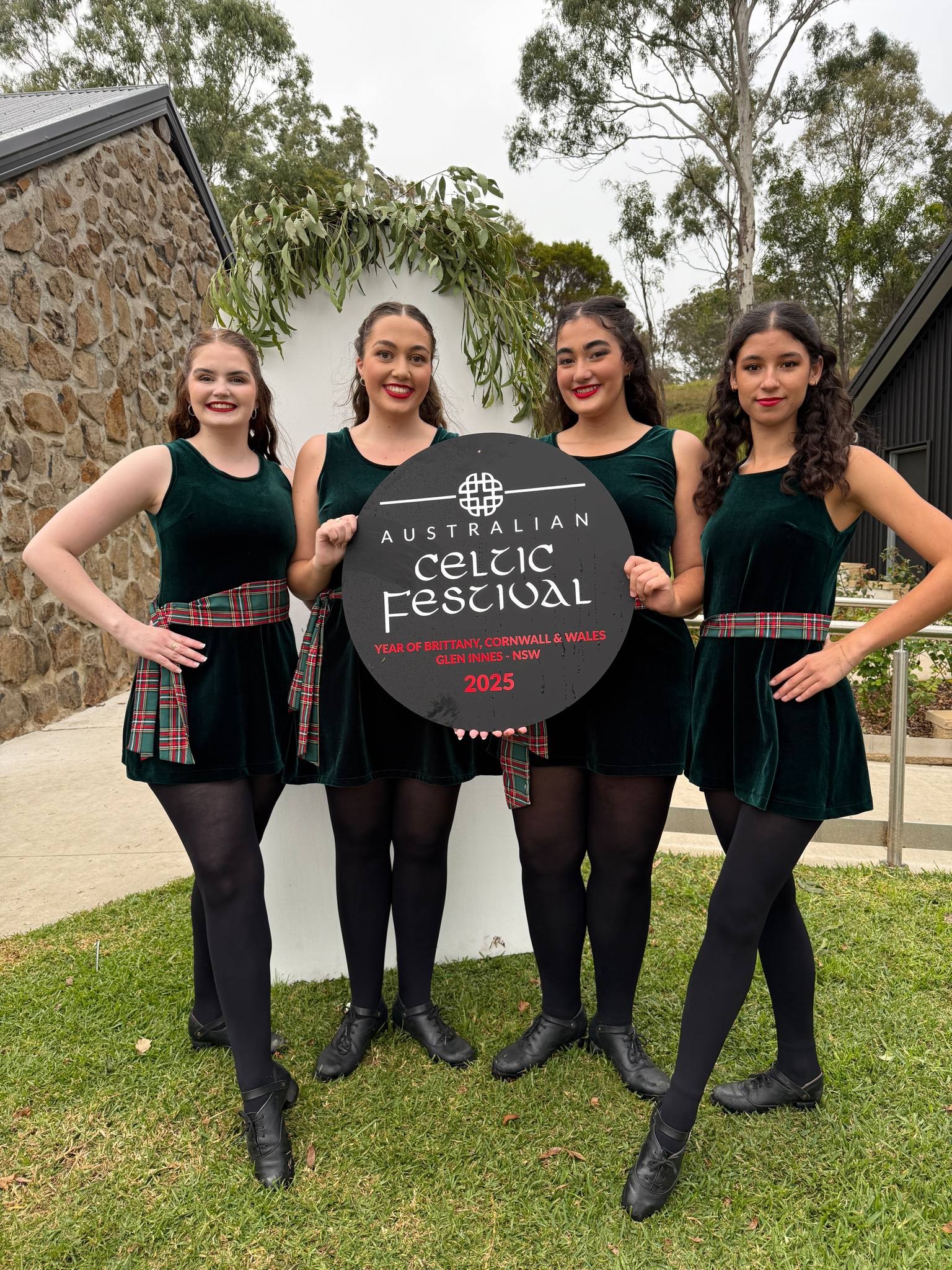
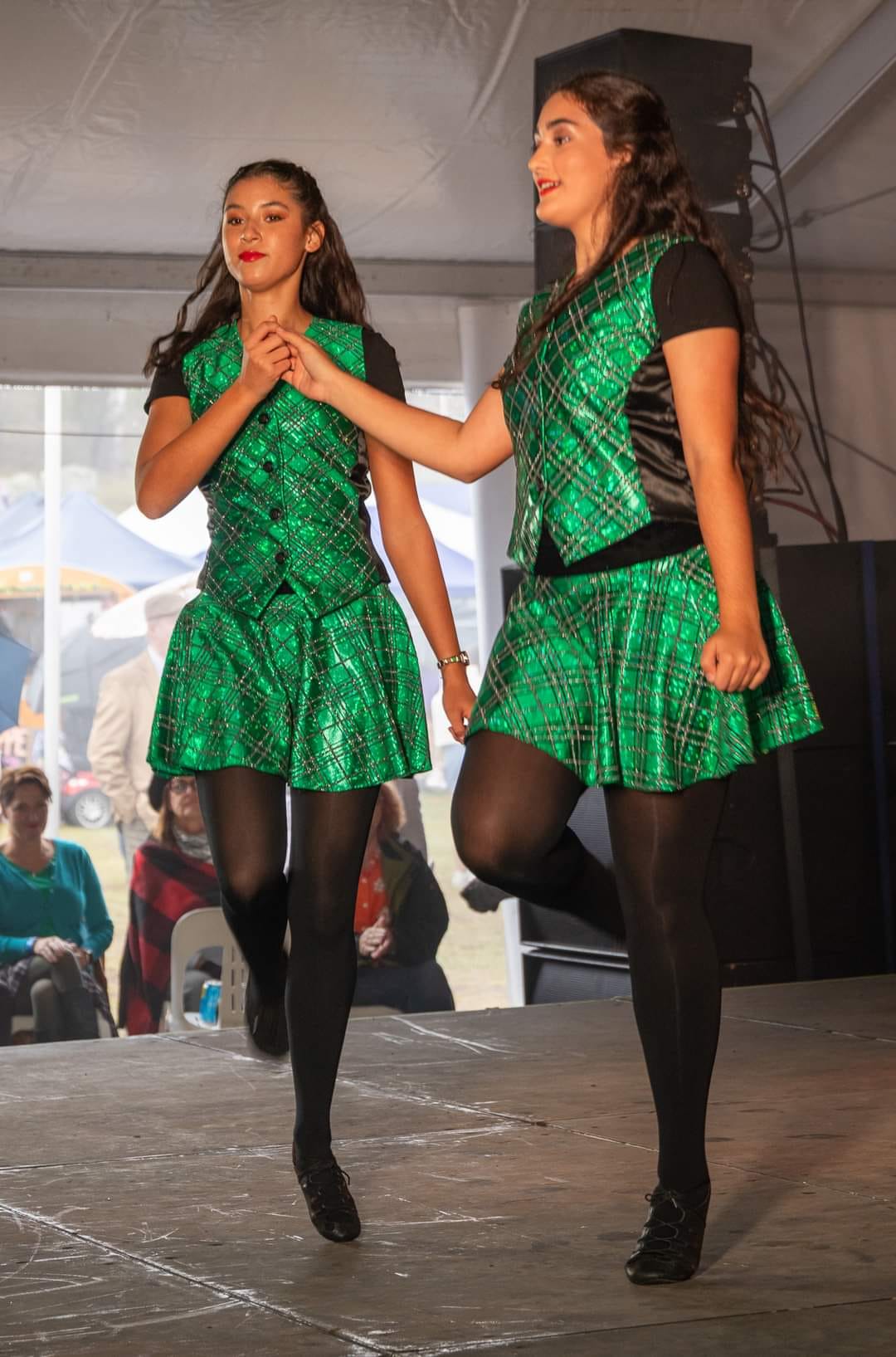
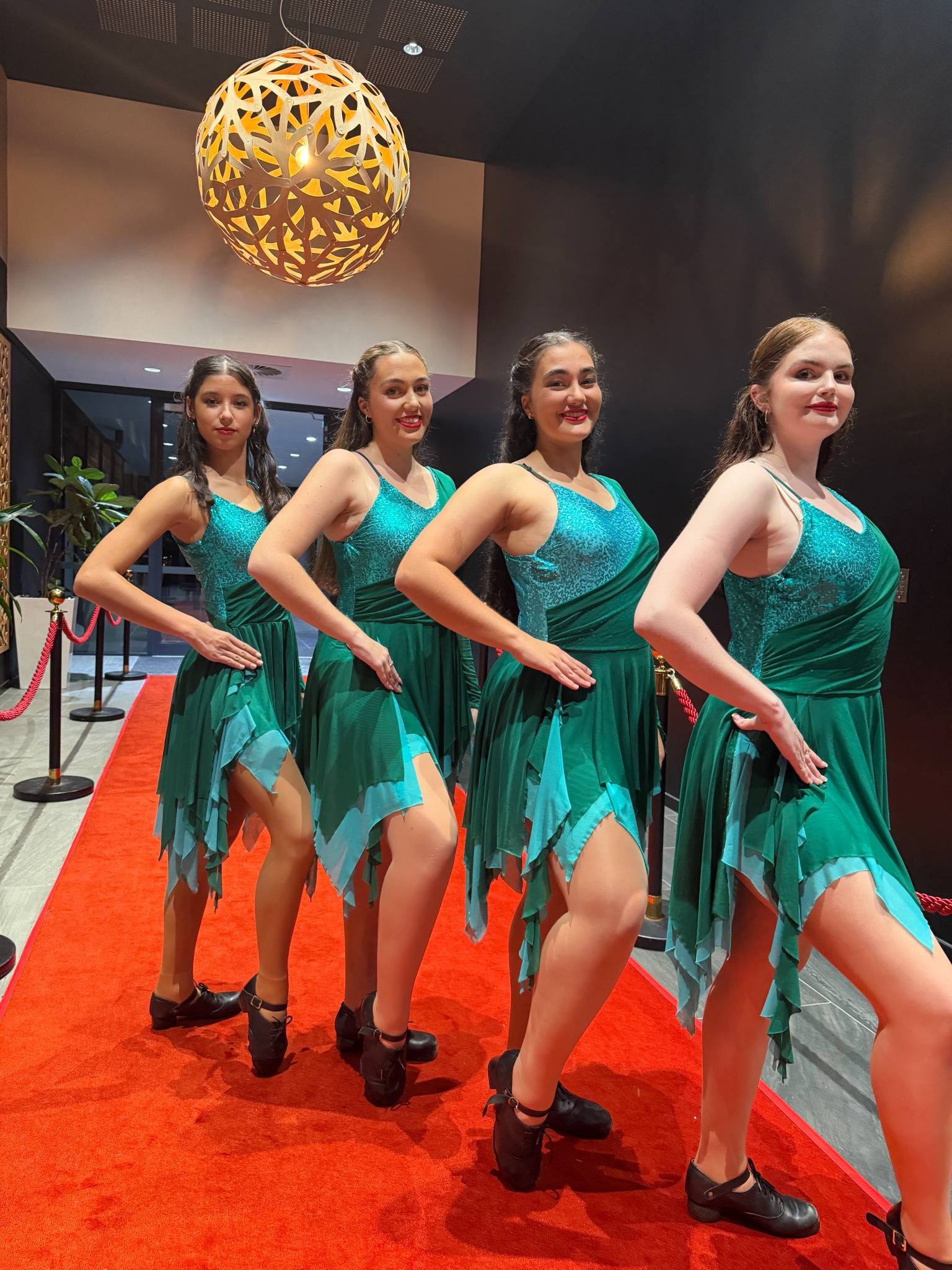
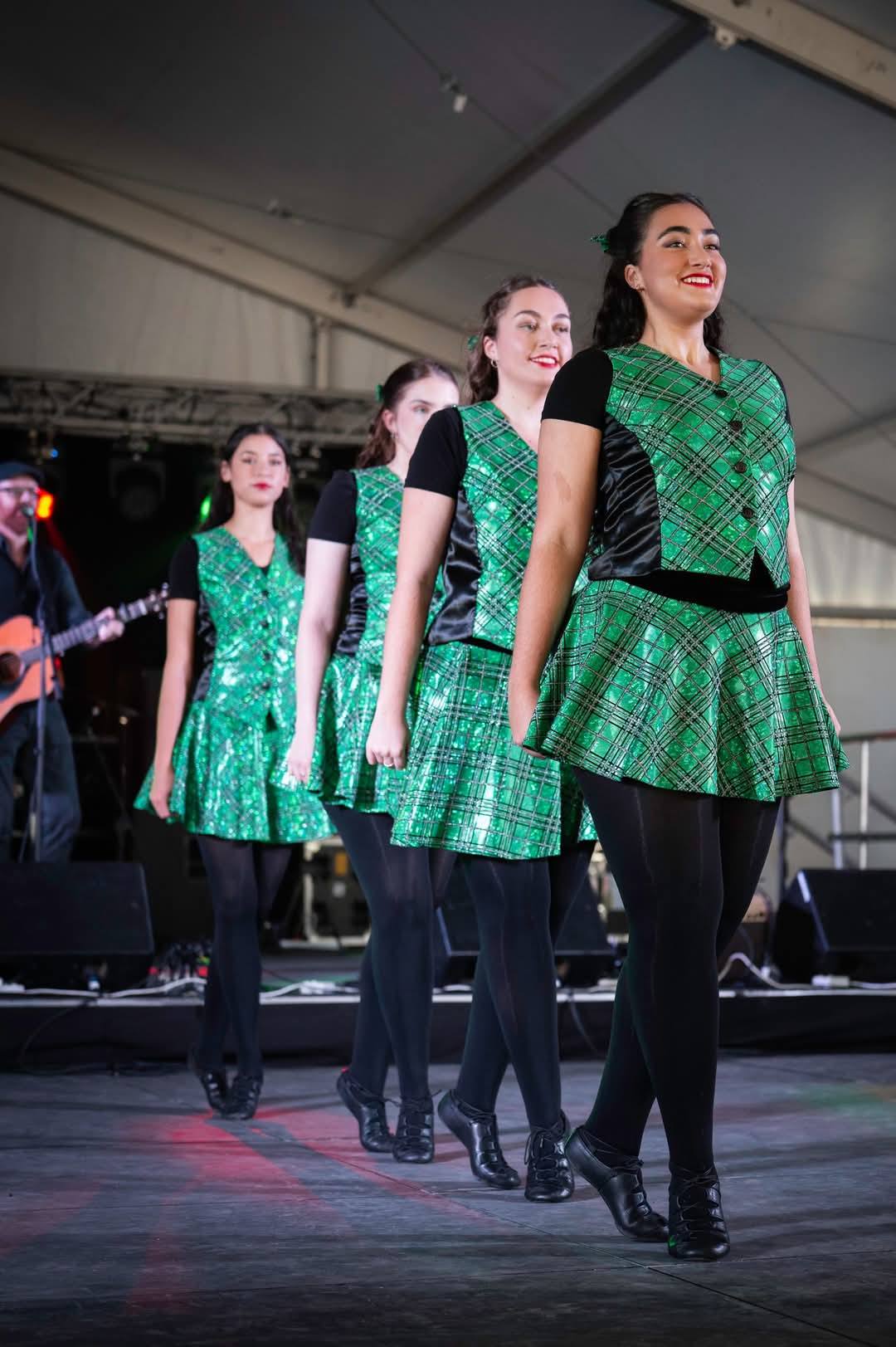
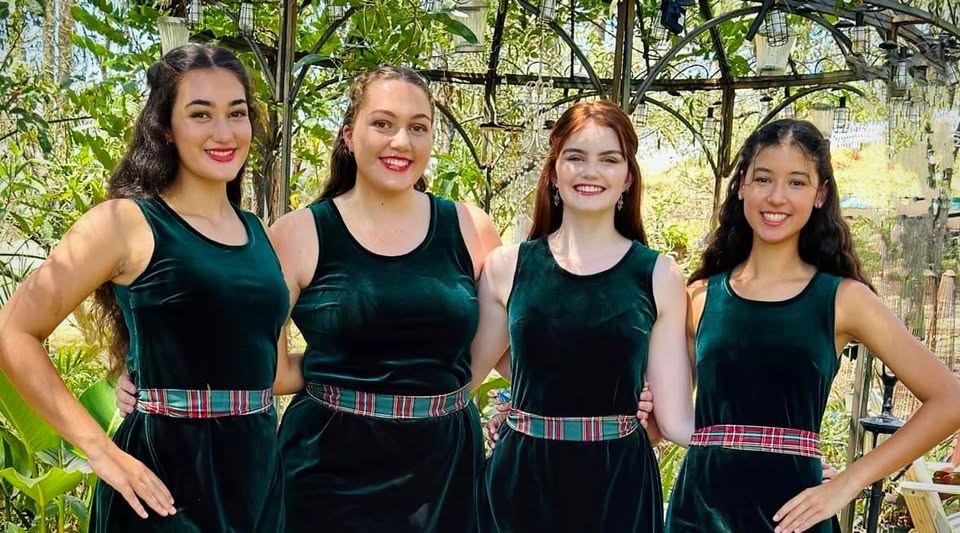
The Shamrock Dancers are an energetic troupe of Irish dancers based in southeast Queensland who have a love for traditional and modern dance. Combining traditional jigs and reels with contemporary styles, they bring rhythm, movement, and the lively spirit of Ireland to every performance. Their love for dance is infectious, leaving audiences tapping their feet, clapping along and smiling from start to finish. You’ll often see them at gigs with Limerick MCB, where they transform their passion for dance into exuberant and lively performances, often taking the crowds along with them. At CelticFest, the Shamrock Dancers will again perform with Limerick MCB on the Main Stage throughout the weekend, as well as giving separate displays on the Dance Stage in the Kevin Thumkin Pavilion. Irish dancing is believed to have its roots in ancient Celtic dance, but started to be taught in a more formalised way by ‘traveling dance masters’ across Ireland in the 17th and 18th centuries, before evolving in the 20th century into the structured format that exists today. The stepdance, popularised by Michael Flatley’s Riverdance shows, is perhaps the most widely-known Irish dance, combining a rigid upper body with extremely fast and intricate footwork. Eat your heart out, Kath and Kel!

HIGHLAND DANCING
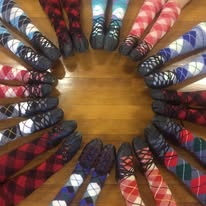
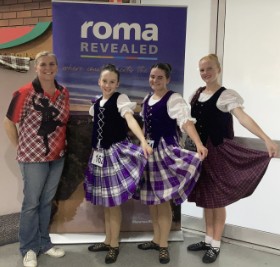
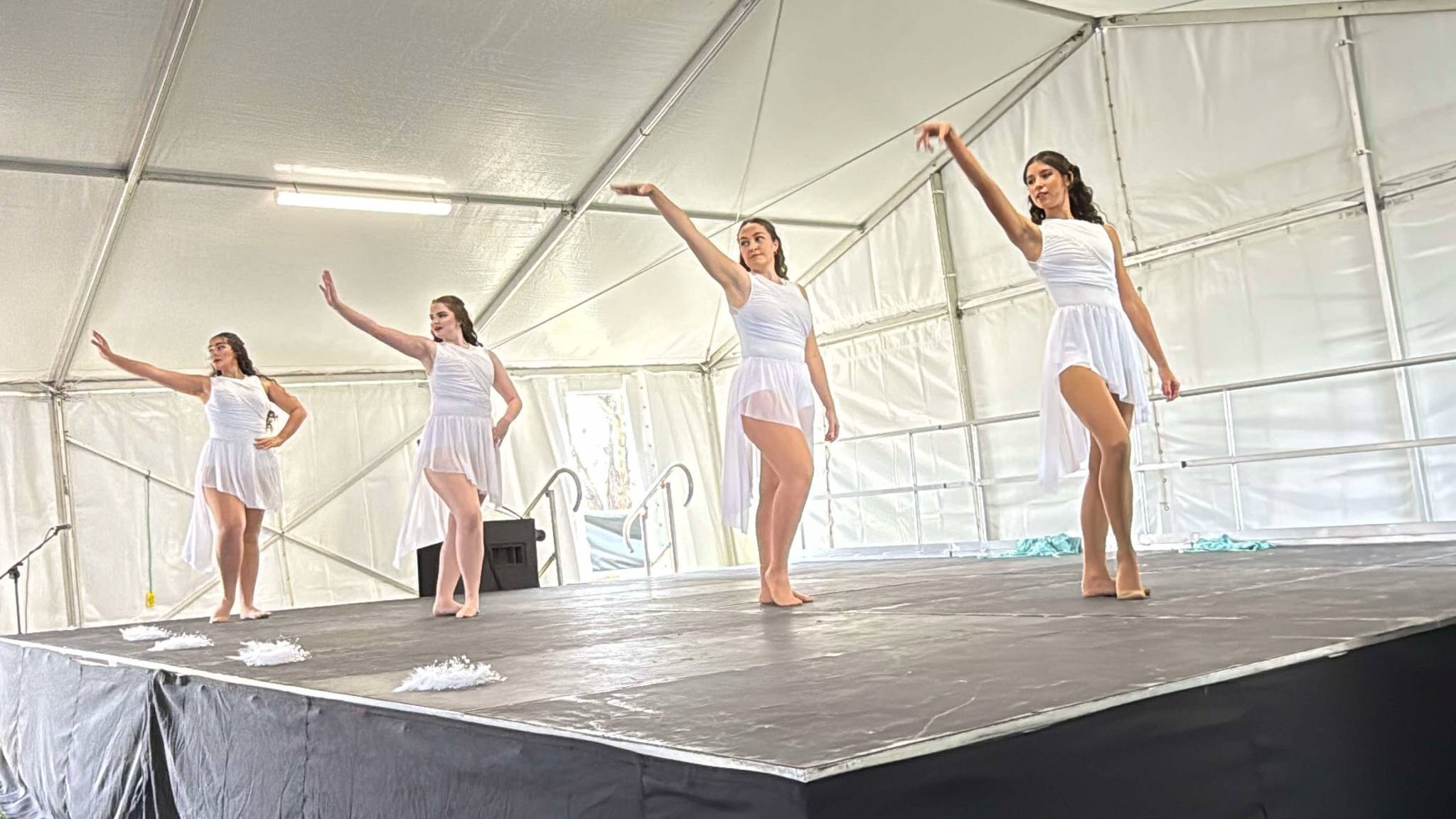
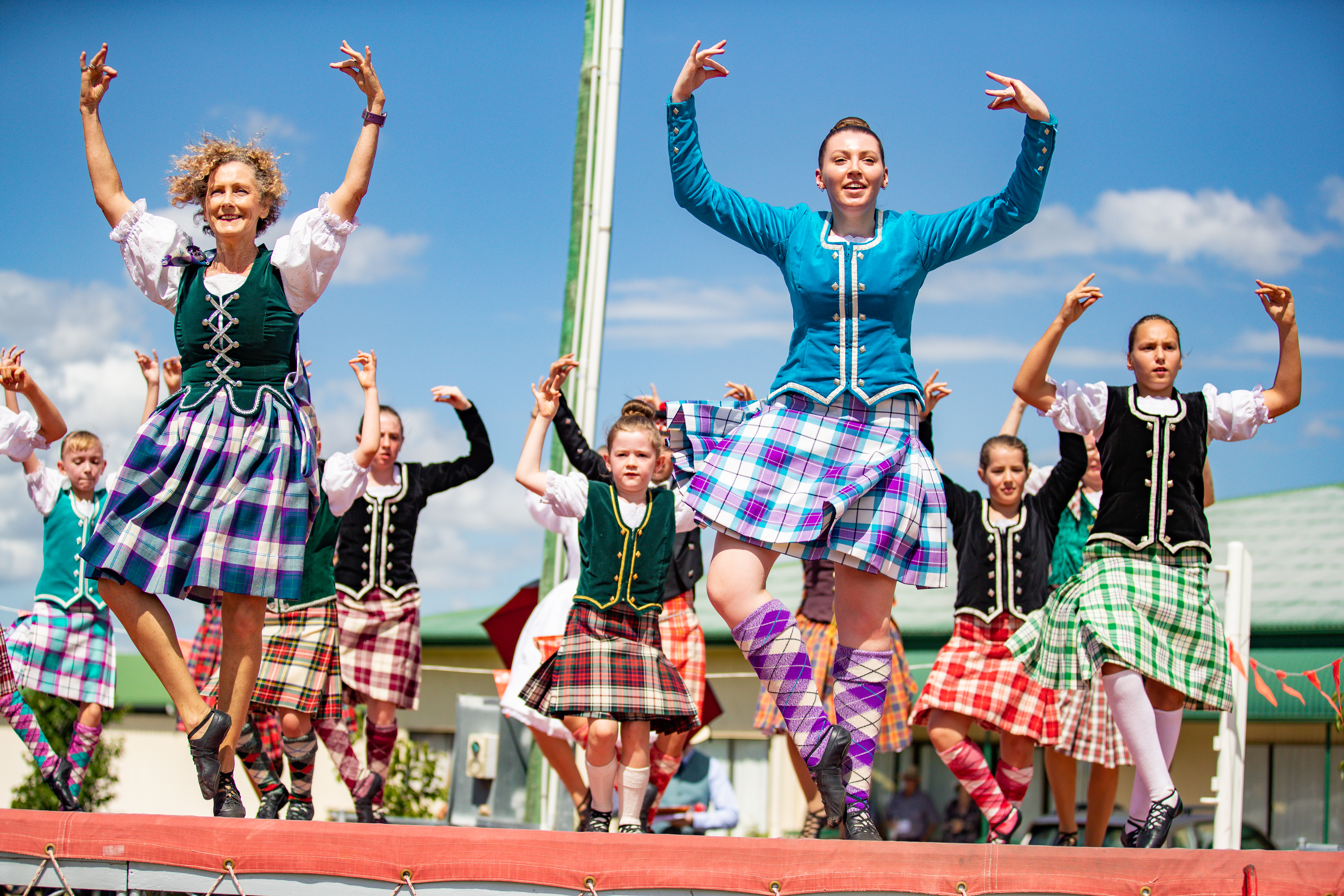
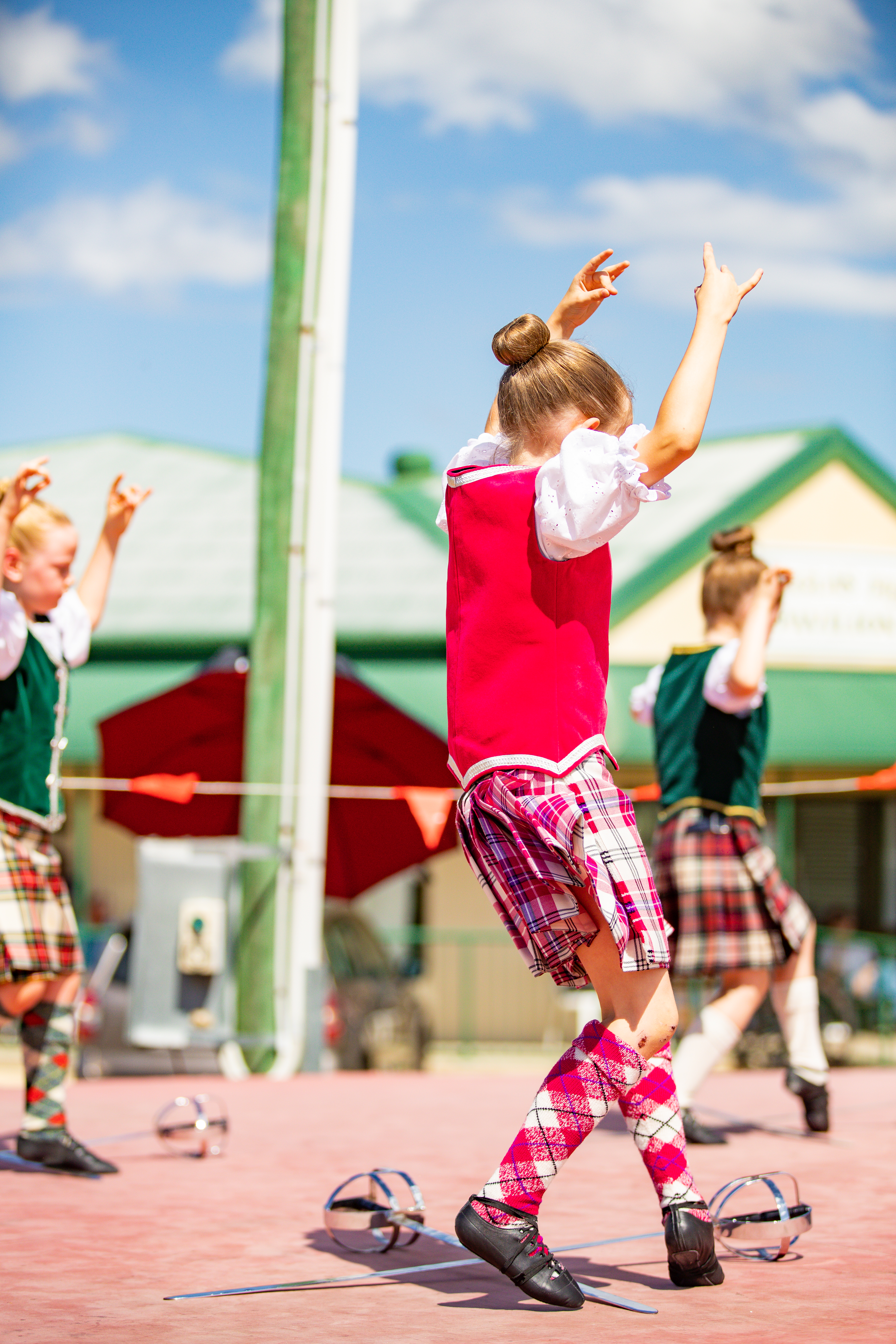
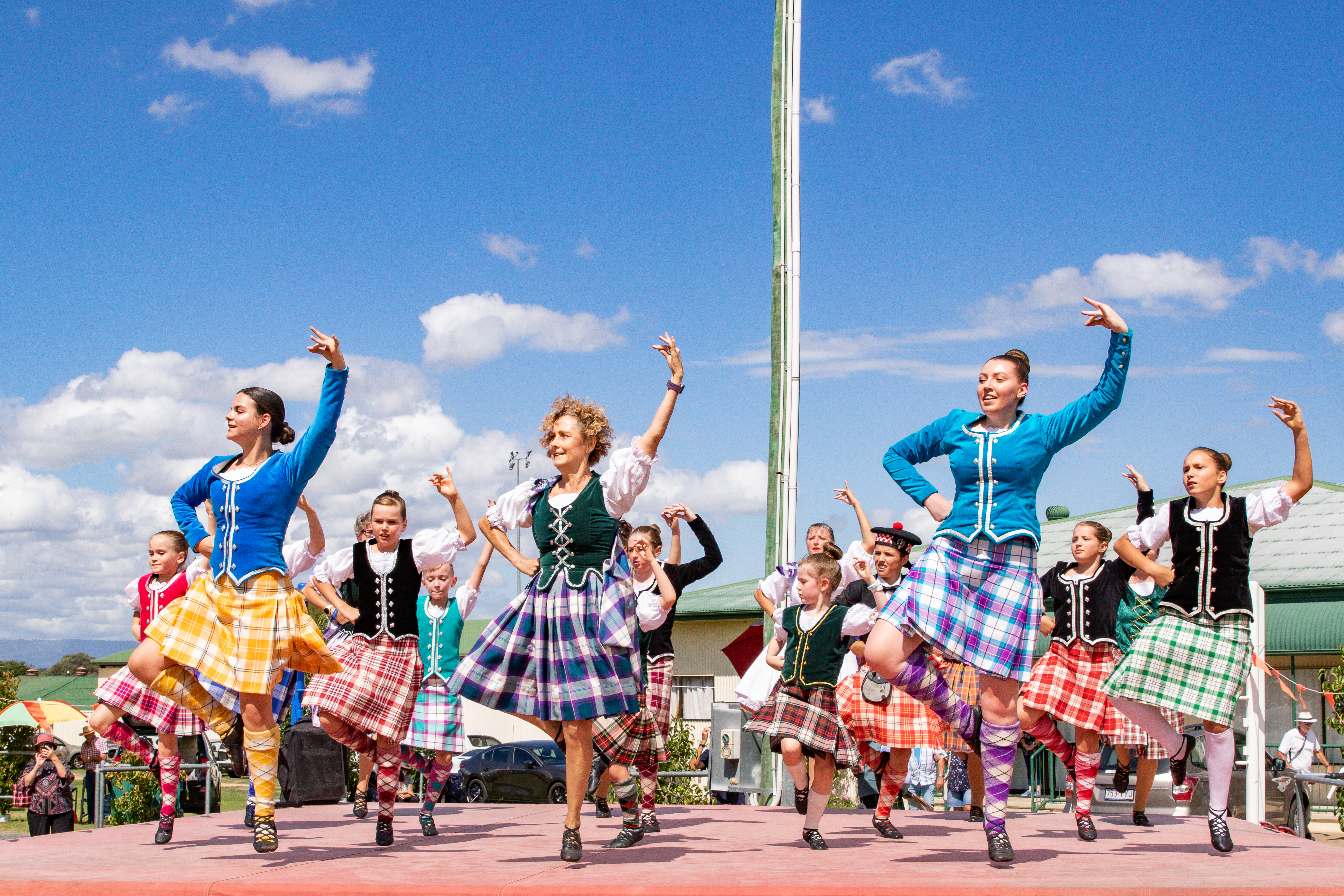
Highland Dancing is believed to have its origins as early as 54BC, when the Caledonians (Scottish) were observed by the Romans to be dancing between upturned swords and spears. By the late 16th century in the Scottish Highlands, male dancing proficiency was as much valued as athleticism, and historians record this as a change from dance as ritual, to dance as exercise - particularly with dances such as the Sword Dance - and regarded as especially useful for strengthening the legs of mountaineers and warriors! A further evolution of highland dancing - to dance as entertainment - occurred when it was introduced as a diversion during pipe band competitions. By the late 18th century, highland dancing also became competitive, but it remained male-dominated until the early years of the 20th century, when females were allowed to dance and to compete. Then, with WW1 and WW2 depleting the ranks of male highland dancers, more women started to take up highland dancing, including competitive highland dancing, through the 1900s, to the point where it is now female dominated. Meanwhile, economic hardship in Scotland forced large-scale Scottish immigration in the 1800s to Australia (among other countries), where many settled in Tasmania, northern New South Wales and southeast Queensland, including the Darling Downs and Southern Downs. This set the scene for highland dancing in Australia, where takeup among the genders differed from Scotland, in that there has always been a higher proportion of female highland dancers. Highland dancing is a technical dance form where dancers dance on the balls of their feet, wearing shoes called ghillies or pumps. Recognised as a sport by the Sport Council of Scotland, highland dancing is a form of solo step dancing, which also involves upper body, arm and hand movements. It requires technique, stamina and strength. Today, there are many highland dance schools around Australia, including the Inverness Highland Dance Studio in Warwick, where students learn dances such as the Highland Fling, the Sword Dance, and the Sailor’s Hornpipe, which they then perform at events and in competitions. At CelticFest Warwick, highland dancers will show their style and their grace on the Dance Stage in the Kevin Thumkin Pavilion throughout the day on Saturday 4 October and Sunday 5 October.

SCOTTISH COUNTRY DANCING
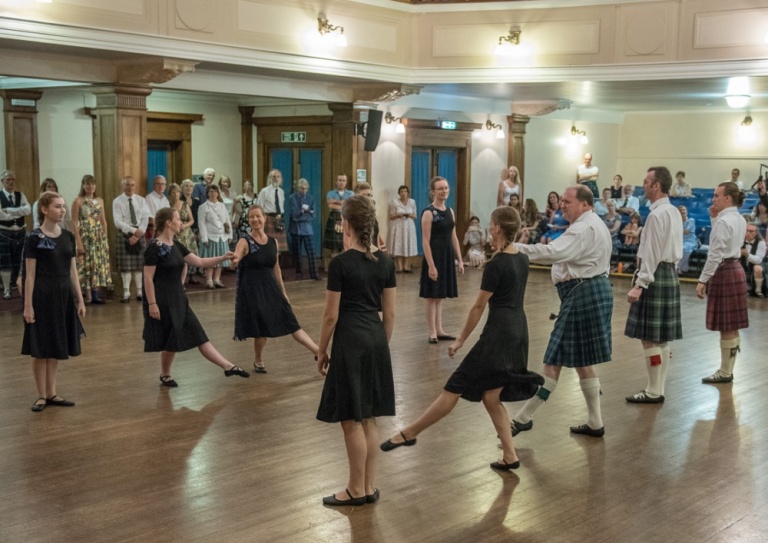
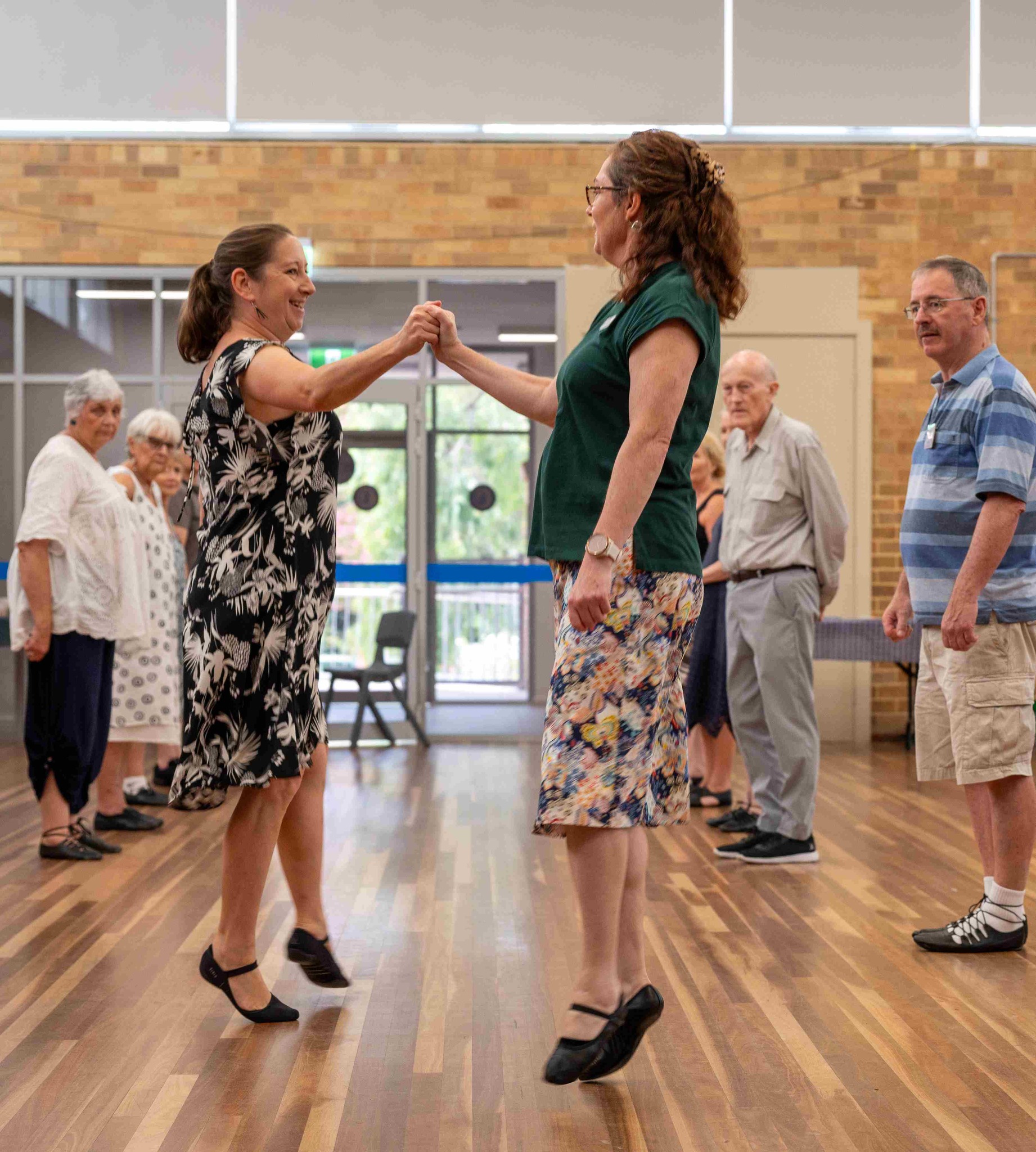
Scottish Country Dancing is a new addition to CelticFest Warwick 2025! The Royal Scottish Country Dance Society will host workshops for beginner and intermediate level dancers in The Pavilion at CelticFest on both days of the festival. No experience is needed for the beginner workshops! Scottish born and bred, and now Sydney-based teacher Diana Hastie will guide learners through the basics of Scottish country dance. Having danced since the late 1990s, Diana turned her hand to teaching in 2014, and has taught in workshops and schools in New Zealand and Scotland, as well as Australia. Scottish Country Dancing (SCD) is a social dance form with roots in the 18th and 19th centuries, characterized by groups of couples dancing progressive formations to traditional Scottish music like reels, jigs, and strathspeys. It's known for being both physically and mentally invigorating, enjoyed for its social aspect and the intricate patterns of the dances. Dancers are normally grouped in sets, typically of three, four or five couples arranged either in two lines (partners facing each other) or in a square. They work together to dance a short sequence of formations that provide a particular dance with its identity. The originality of the formations ensures each couple gets the chance to experience the dance from different positions.

MFKA ACADEMY OF IRISH DANCE
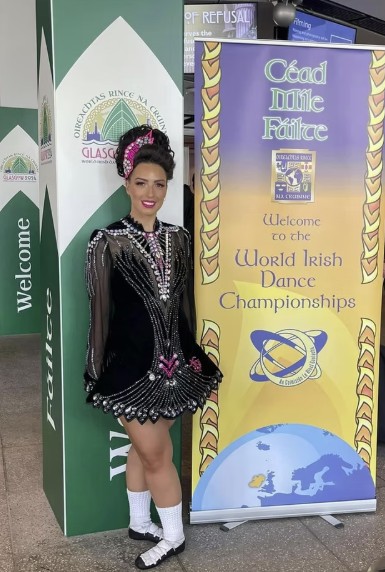
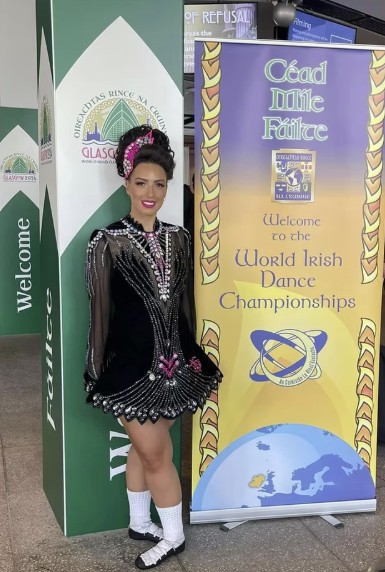
MFK Academy of Irish Dance, founded by Michelle O’Neill, has dance schools in Bald Hills, Brisbane, and Toowoomba. They offer a family friendly atmosphere, welcoming beginners from tiny tots to adults who’d like to give it a go. Many of the dancers have competed at State, National and even World Championship level.
MCGRATH STUDIO OF HIGHLAND DANCING
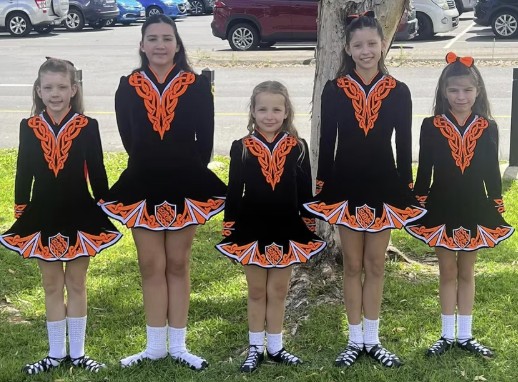
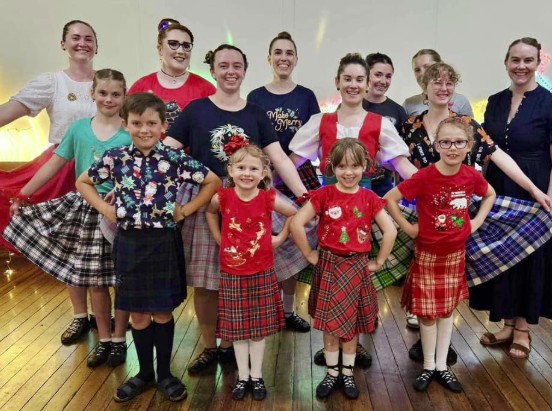
McGrath Studio of Highland Dancing is based in Toowoomba and offers classes to dancers from 2.5 years old to adults with the focus on fun, fitness and friendship. The group regularly performs at events in the region including the Toowoomba Carnival of Flowers Parade and the Caledonian Ceilidhs, and further afield at festivals, with a dancer recently performing in the New York Tartan Parade.
BERNADETTE'S HIGHLAND DANCING STUDIO
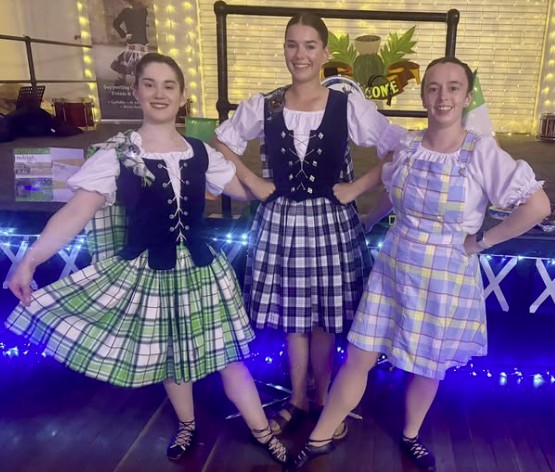
Bernadette's Highland Dancing Studio is based in Toowoomba and is a family-oriented studio. Dancers prepare for competitions, displays, discipline & fun!!! The dancers perform both locally and travel for competitions.